
Academics
Our Program Curriculum
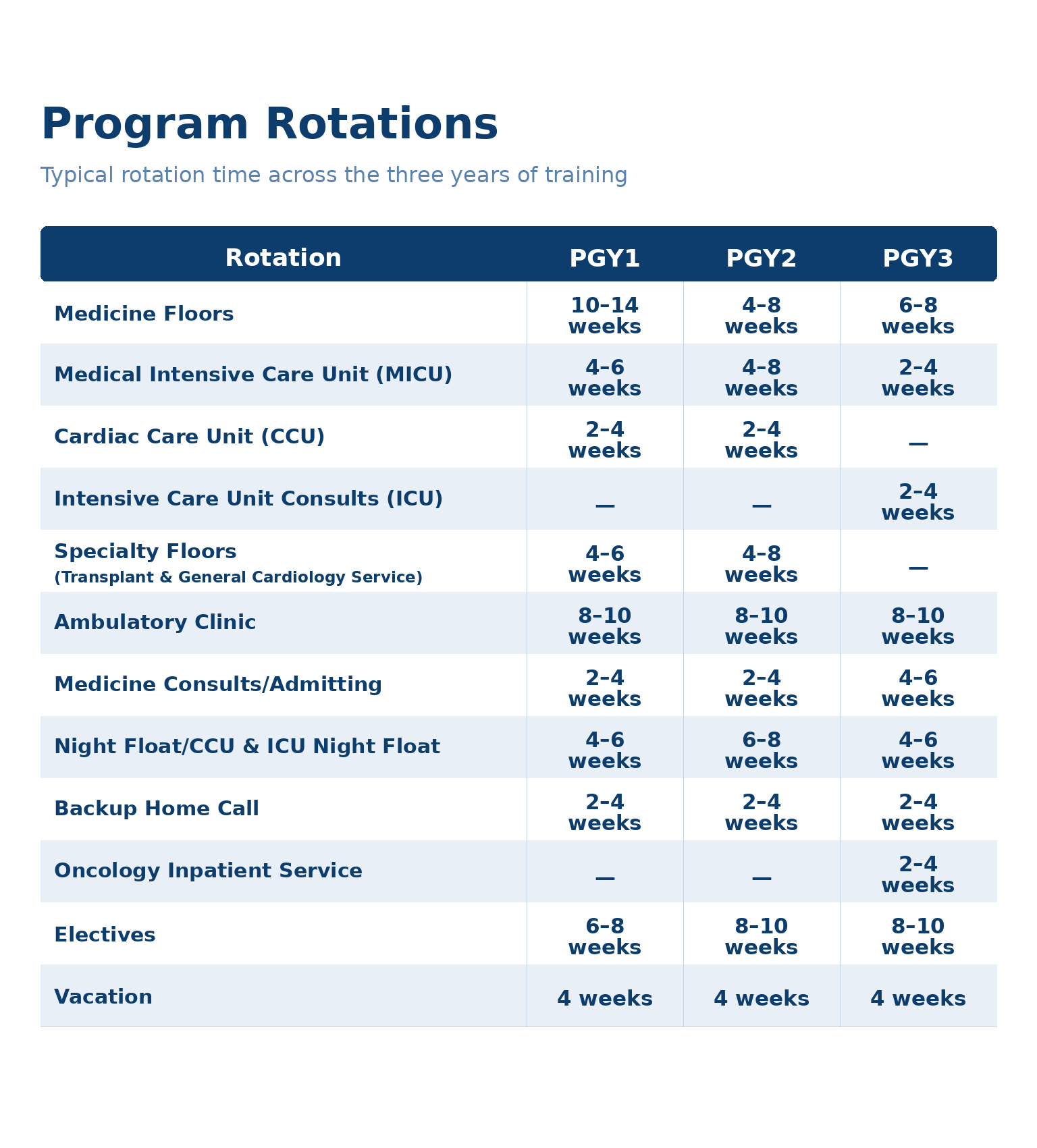
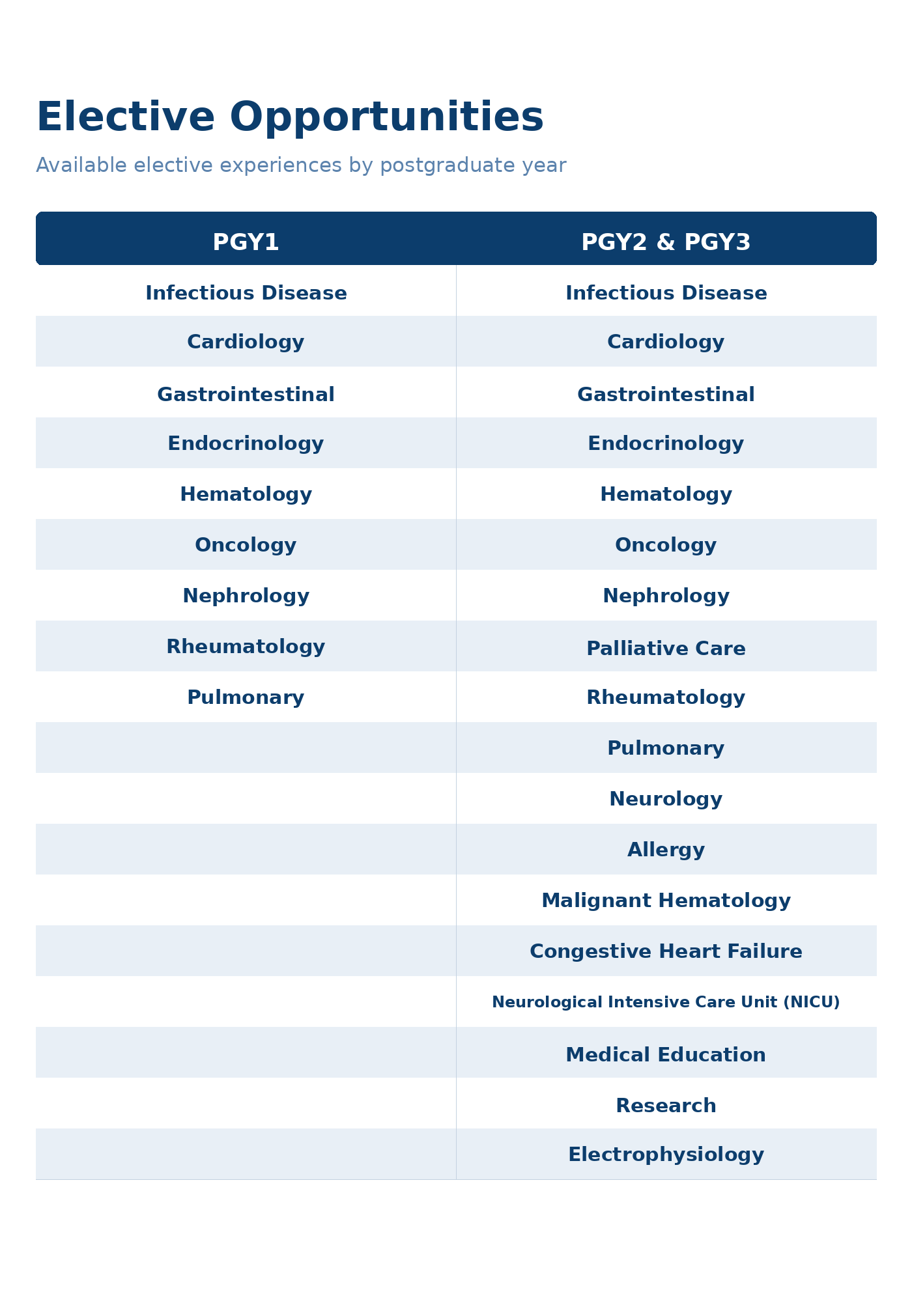
Our curriculum combines rigorous inpatient and ambulatory training with increasing flexibility as residents progress through the program. Residents gain broad exposure to Internal Medicine and its subspecialties while having dedicated elective time to explore individual clinical, academic, and career interests.
Program Highlights
Clinical Informatics
Work alongside clinical informatics and IT leadership on live projects involving EHR workflows, clinical decision support, and quality data.
Leadership Track
Develop leadership skills through mentorship from department and hospital leaders, systems-based practice, and resident-facing initiatives.
AI in Clinical Practice
Explore how AI is reshaping diagnosis, documentation, and clinical decision-making, with hands-on sessions focused on critical and responsible use.
Scholar Certificate Program
Build scholarly and academic skills through a formal longitudinal pathway developed with New York Medical College.
Putting Opportunities Into Practice
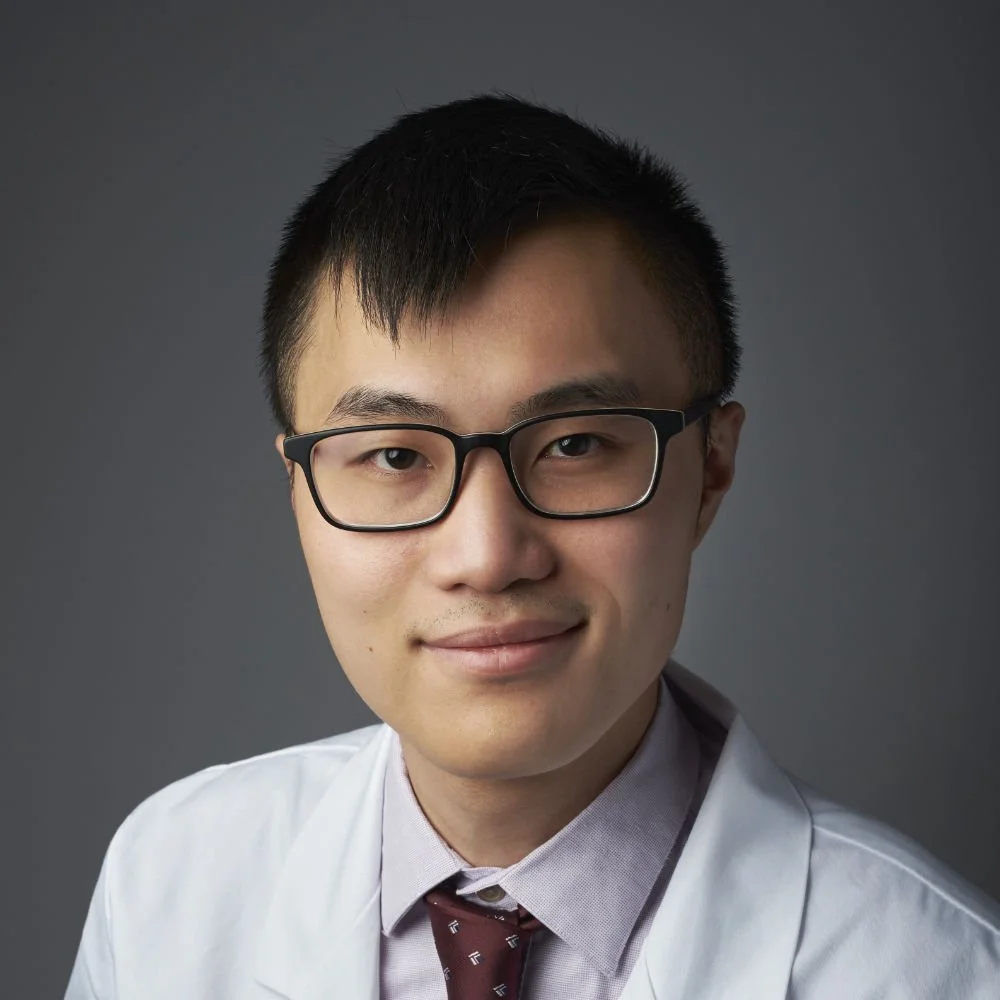
Christopher Fu, MD
IM Residency Class of 2027
Dr. Fu serves as a resident leader in Clinical Informatics, partnering with institutional leadership on digital transformation initiatives. His work includes an AI-driven analytics pipeline processing more than 1,000 patient access center calls daily; RECOCA, an application he developed to automate continuity-of-care metrics for the residency clinic; and machine learning research in cardiology supported by data acquisition and automation tools he developed. He also designed and launched the residency’s AI curriculum and now teaches residents across multiple specialties while collaborating with faculty to expand informatics education institution-wide.
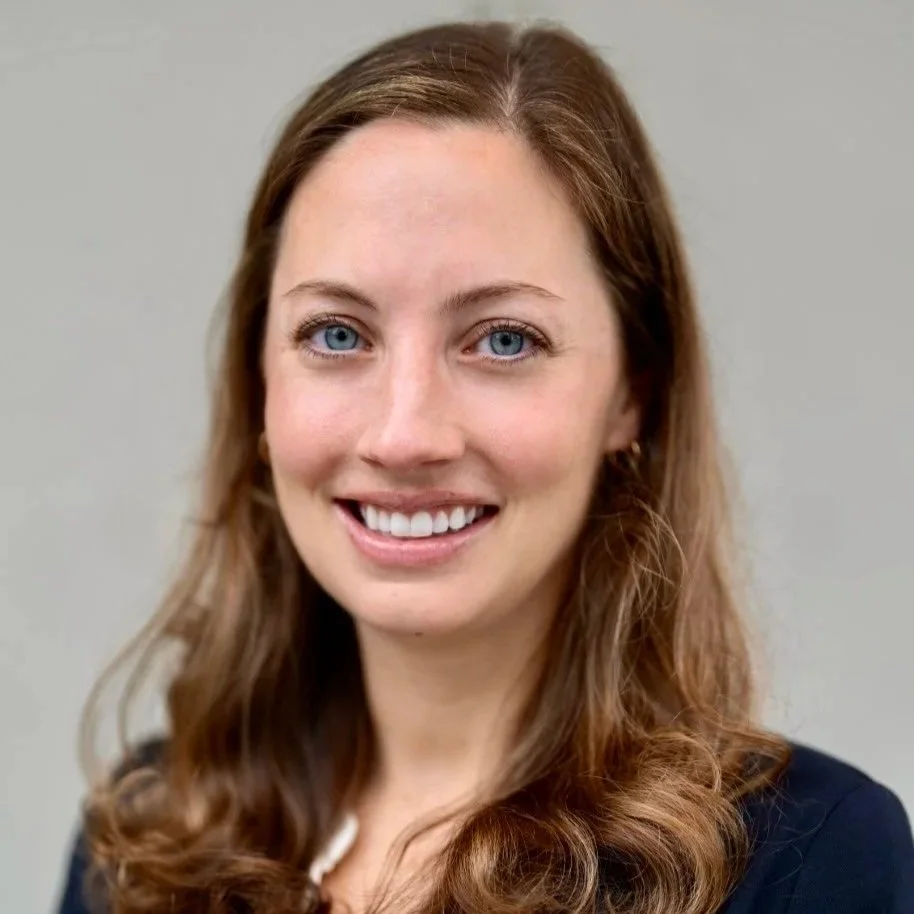
Christine Seaton, MD
IM Residency Class of 2027
Dr. Seaton participates in the program’s Women’s Leadership Track, where she is developing the knowledge, skills, and confidence to become a physician leader in women’s health. Through leadership training, program development, quality improvement, advocacy, and interdisciplinary collaboration, she is gaining practical experience addressing challenges in women’s health while building the skills to lead meaningful change in clinical practice.
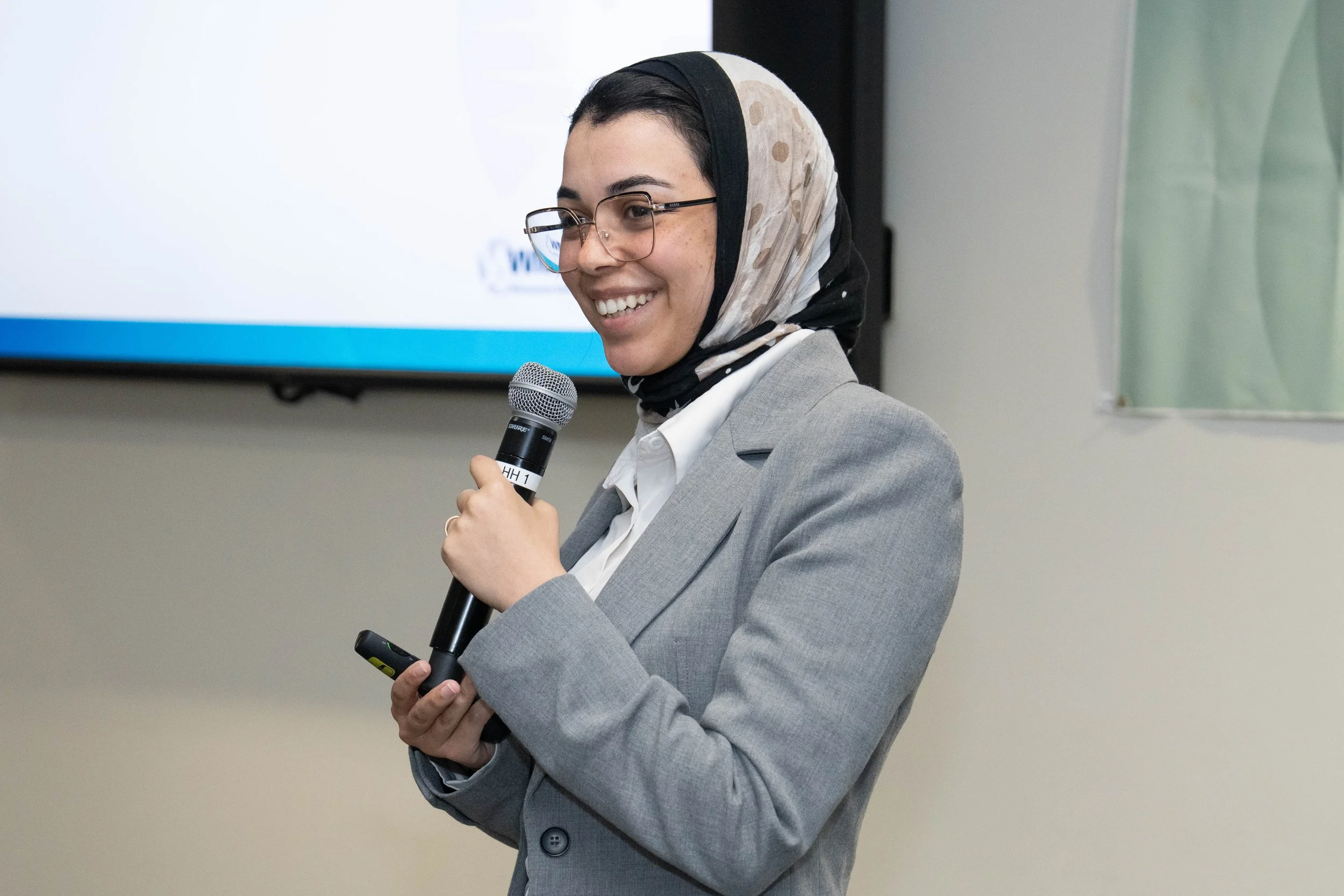
Sara Elattar, MD
IM Residency Class of 2027
Dr. Sara Elatter, PGY-3, is pursuing the Scholar Certificate Program, a formal longitudinal pathway developed in partnership with New York Medical College to strengthen residents’ scholarly, research, and academic skills. Through this program, she is further developing the tools needed to translate clinical questions into meaningful scholarship and contribute to academic medicine. Her accomplishments include winning the 2025 WMC Research Day competition. In recognition of her academic achievement and leadership, Dr. Elatter has also been selected to serve as Chief Resident for the 2027–2028 academic year.
Inpatient Training
Learn more about the structure of our inpatient rotations, including daily workflow, call responsibilities, night float, and ancillary support.
-
07:00 a.m. Morning Sign-in
07:30 a.m. Morning Report (on Wednesday and Thursday)
09:00 a.m. Interdisciplinary Rounds
09:30 a.m. Hospitalist Team Bedside Rounds
12:30 p.m. Afternoon Conference (Didactics)
05:00 p.m. Sign-Out to late call team
-
Each resident will have 3-4 late calls (5:00 p.m. – 9:00 p.m.) over a 2-week Medicine Floor rotation
-
Senior Residents: Six nights/week from 9:00 p.m. – 7:00 a.m.
PGY-1 Residents: Round robin with 2-3 colleagues adding to 2-3 nights off per two-week block
Senior Residents only: Rotating 5 nights a week, giving colleagues their night off -
24/7 phlebotomy shifts
IVs & PICC/midlines by trained nurses
EKG technicians 24/7
X-Ray technicians 24/7
Patient transport service 24/7
Patient experience representation seven days/week
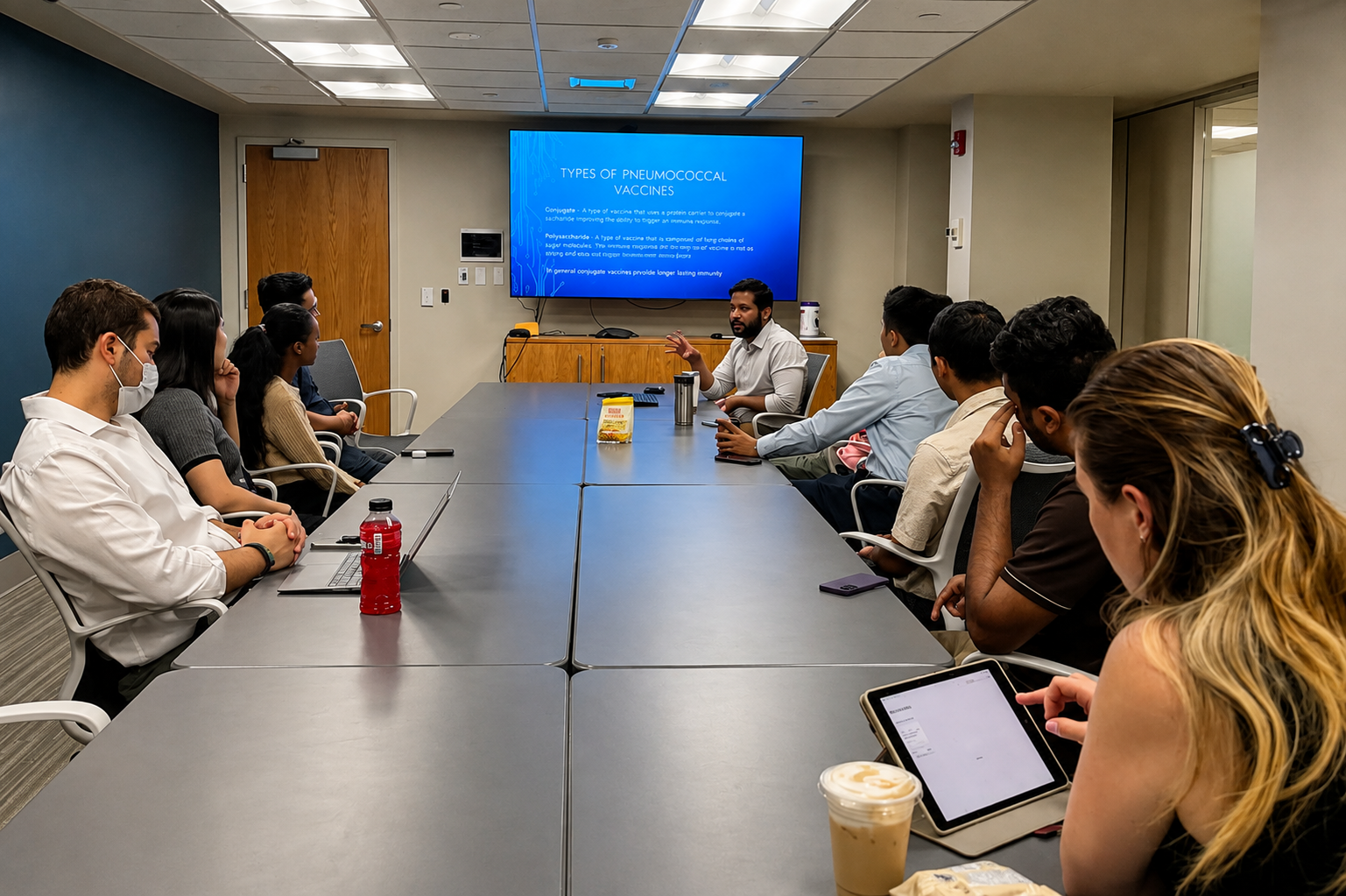
Our residency program provides a structured and comprehensive didactic curriculum that complements clinical training. Teaching sessions are delivered in a variety of formats and are designed to support both board preparation and the development of strong clinical reasoning skills. Residents have protected time for these conferences, ensuring they can fully engage in learning without clinical interruptions.
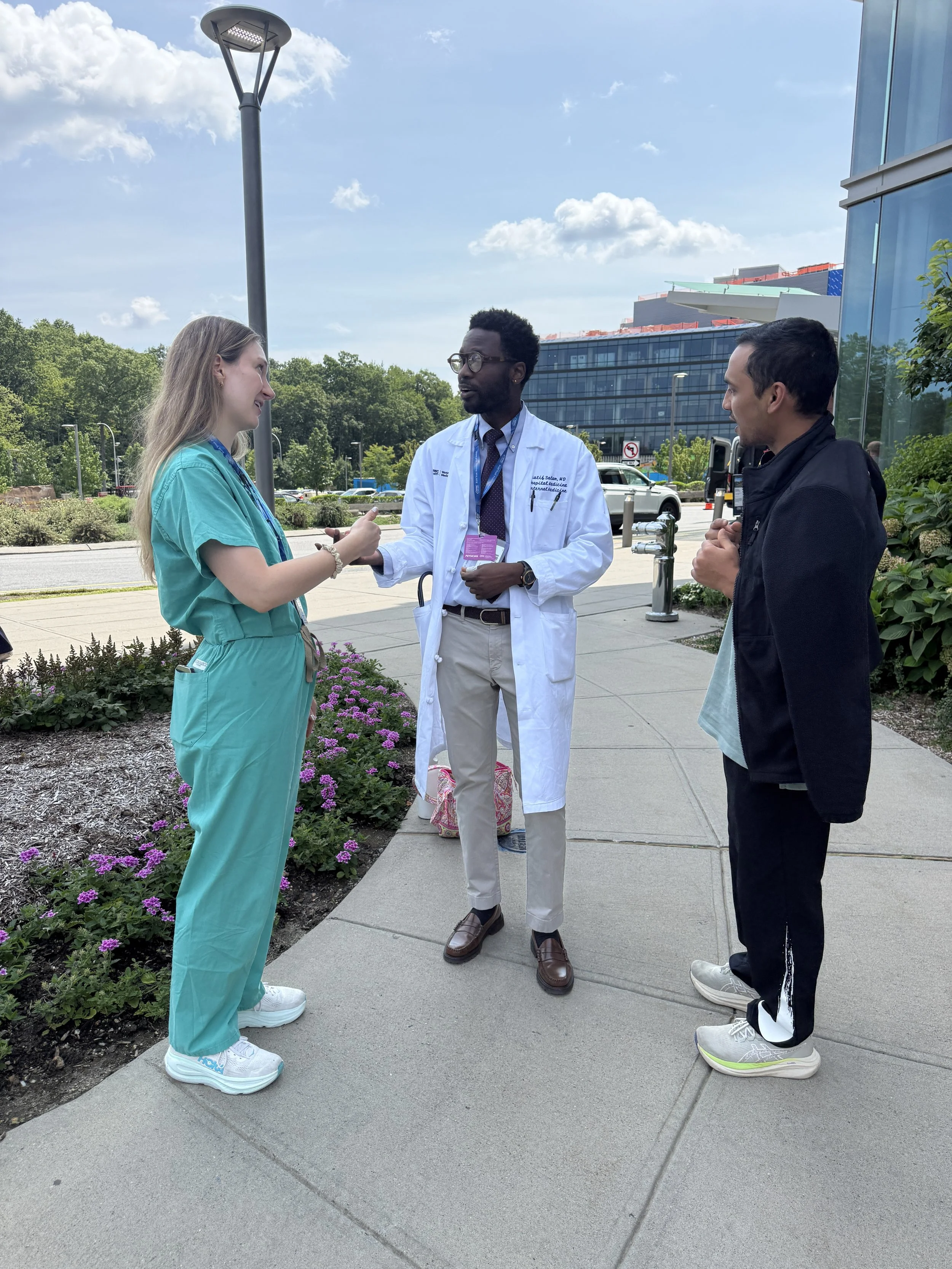
Academic Opportunities
-
Afternoon Conference is held 2-3 days a week and consists of a one-hour protected teaching session for all residents. Conferences are organized into topic-based blocks and presented by subspecialists, offering a structured approach to core subjects and board preparation.
The curriculum is designed not only to prepare residents for the ABIM certification exam but also to build confidence and maturity in clinical decision-making. Lectures are delivered both in person and virtually, and all sessions are recorded and archived, allowing residents flexibility to revisit material as needed.
-
1-2 days a week, during the afternoon conference slot, residents participate in a variety of case-based teaching sessions. These include:
Chairman’s Rounds: Interns present an interesting inpatient case, with discussion and teaching facilitated by the Department Chair.
MICU/CCU Rounds: A senior resident and intern present a recent critical care case they managed together, with discussion led by a Medical ICU or Cardiology Critical Care attending.
Journal Club: A senior resident leads the presentation and critique of a recent article in collaboration with faculty.
Mini Tumor Board: A hematology/oncology case is presented with input from multiple disciplines. Discussion is facilitated by an oncology attending and incorporates updated literature to guide cancer management.
Morbidity and Mortality (M&M): Selected cases are reviewed to identify opportunities for improvement in clinical care and systems-based practice. Sessions are facilitated by the Section Chief.
Transplant Hepatology Rounds: Residents present and review complex hepatology and transplant cases under the guidance of the Transplant Hepatology team, with focus on evidence-based management and multidisciplinary care.
Quarter in Review: Resident collaborates with faculty to highlight recent advances and landmark studies in a designated field, providing residents with up-to-date knowledge relevant to clinical practice.
-
Recognizing the growing importance of point-of-care ultrasound (POCUS) in internal medicine, our program offers all residents a comprehensive, longitudinal POCUS curriculum led by Dr. Sauthoff, an internationally recognized leader in the field. Each resident begins with a 2–3 day “boot camp,” supported by pre- and post-course learning materials, to build foundational skills.
Throughout the year, residents continue hands-on POCUS practice, develop a portfolio of images, and periodically review cases with faculty. The curriculum is designed to advance both competence and confidence in clinical ultrasound, with structured pathways that support residents in working toward POCUS certification.
POCUS Conference is held twice monthly and is resident-led with supervision from Dr. Sauthoff. During these sessions, residents present and discuss their own POCUS images and videos, share notable cases, and examine how ultrasound findings have shaped clinical decision-making. The conference provides ongoing feedback, fosters skill development, and helps residents progress toward certification in point-of-care ultrasound.
-
Residents participate in a protected half-day each week dedicated to ambulatory education. During this time, teaching sessions focus on topics relevant to outpatient and primary care practice, with special emphasis on health maintenance, chronic disease management, and preventive care.
-
Every Wednesday from 12–1 p.m., our department gathers including residents, fellows, and attendings for Grand Rounds. Distinguished guest speakers and faculty experts present on a wide range of clinically relevant and timely topics.
-
Residents participate in a range of simulation-based educational experiences at both Westchester Medical Center and New York Medical College. We have ample opportunity to utilize the clinical skills lab and point-of-care simulators at WMC and the Clinical Skills Simulation Center at NYMC, which features multiple simulators and standardized patient actors. Training is enriched through collaboration with advanced nursing educators and various specialty services, supporting the development of communication, procedural, and practical clinical skills.
-
Residents benefit from the academic environment at Westchester Medical Center, where regular educational conferences are hosted by all medicine subspecialties as well as departments such as Neurology, Surgery, Radiology, and Anesthesiology. Residents are welcomed to attend these sessions, which offer expanded opportunities for learning beyond the core Medicine curriculum.
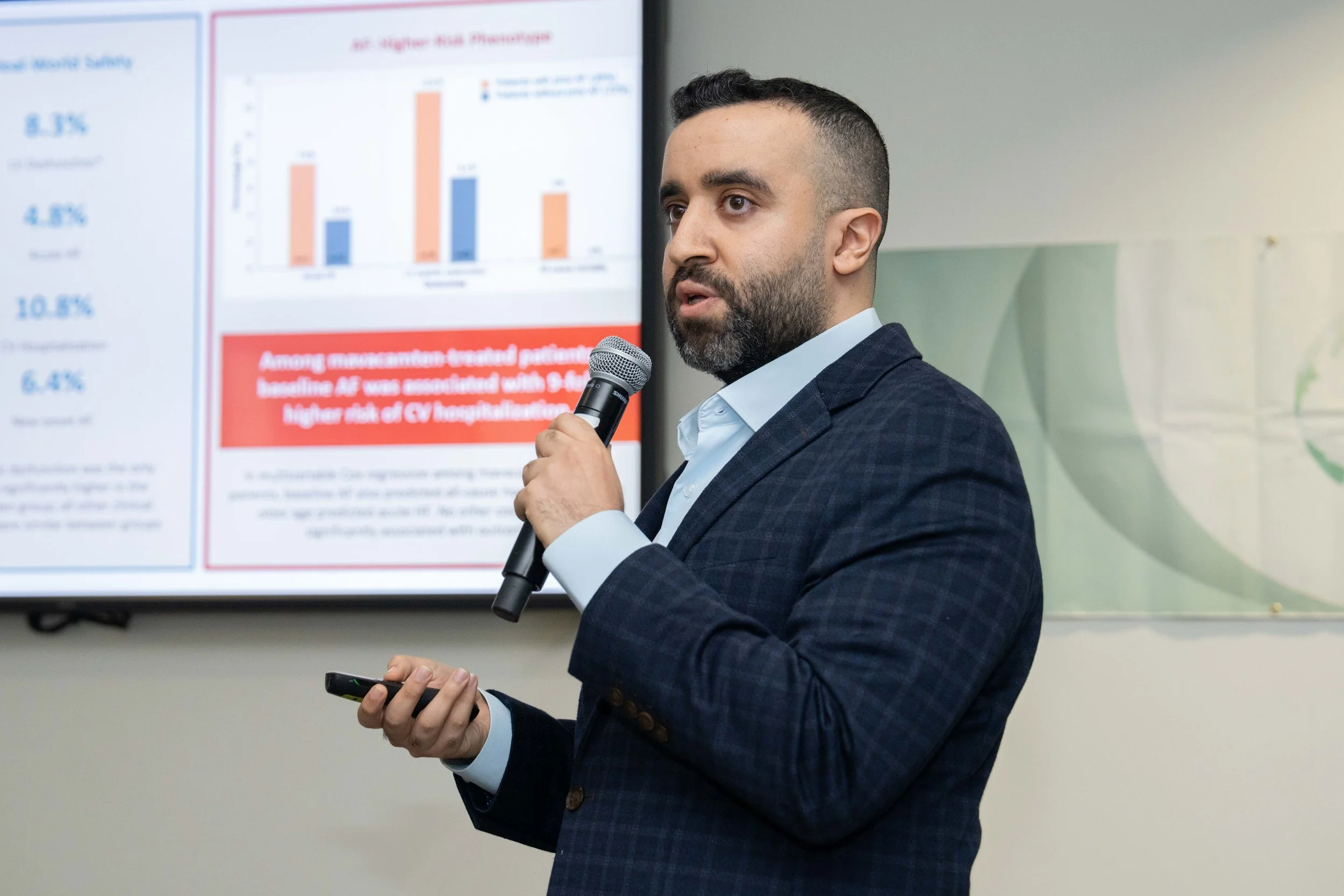
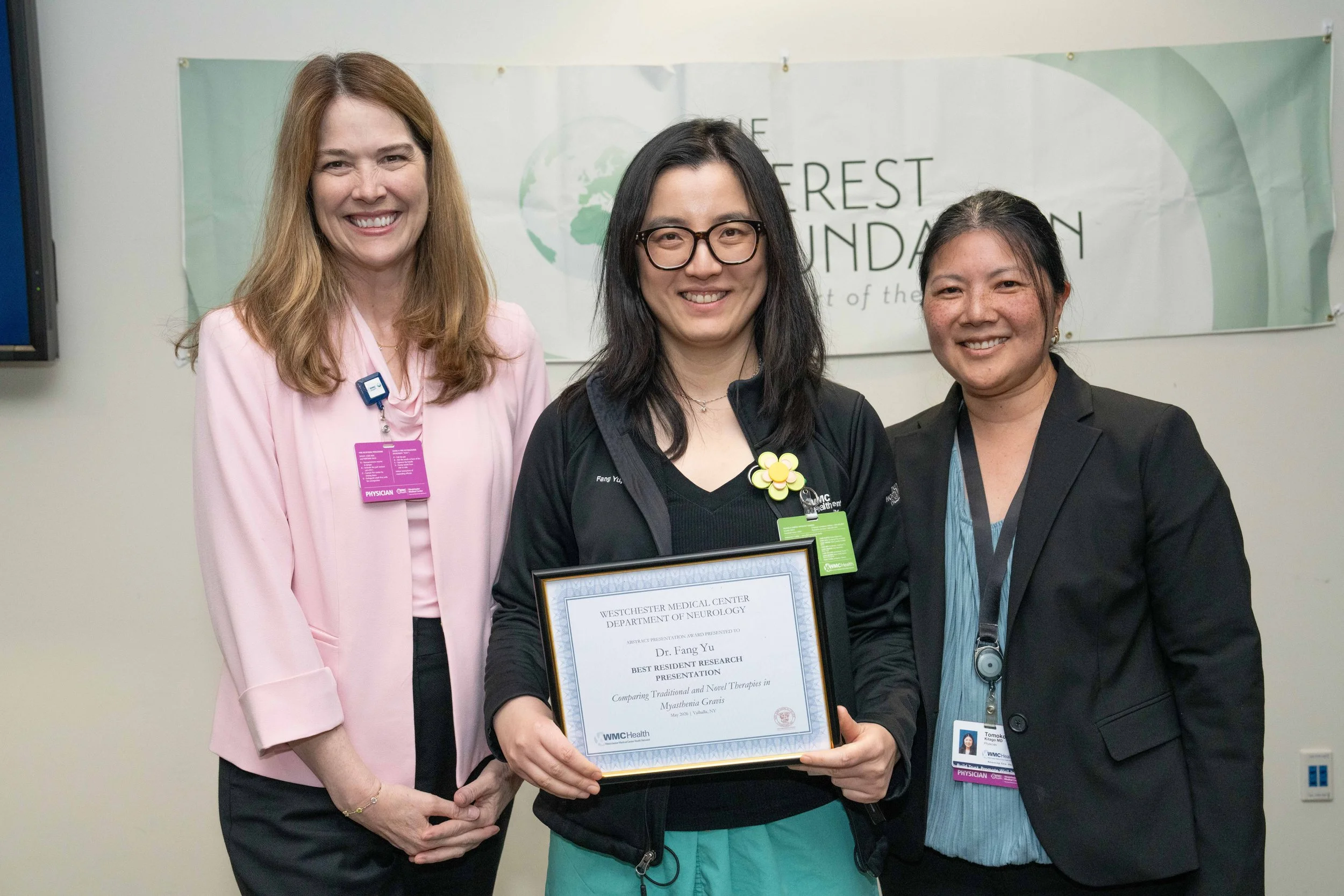
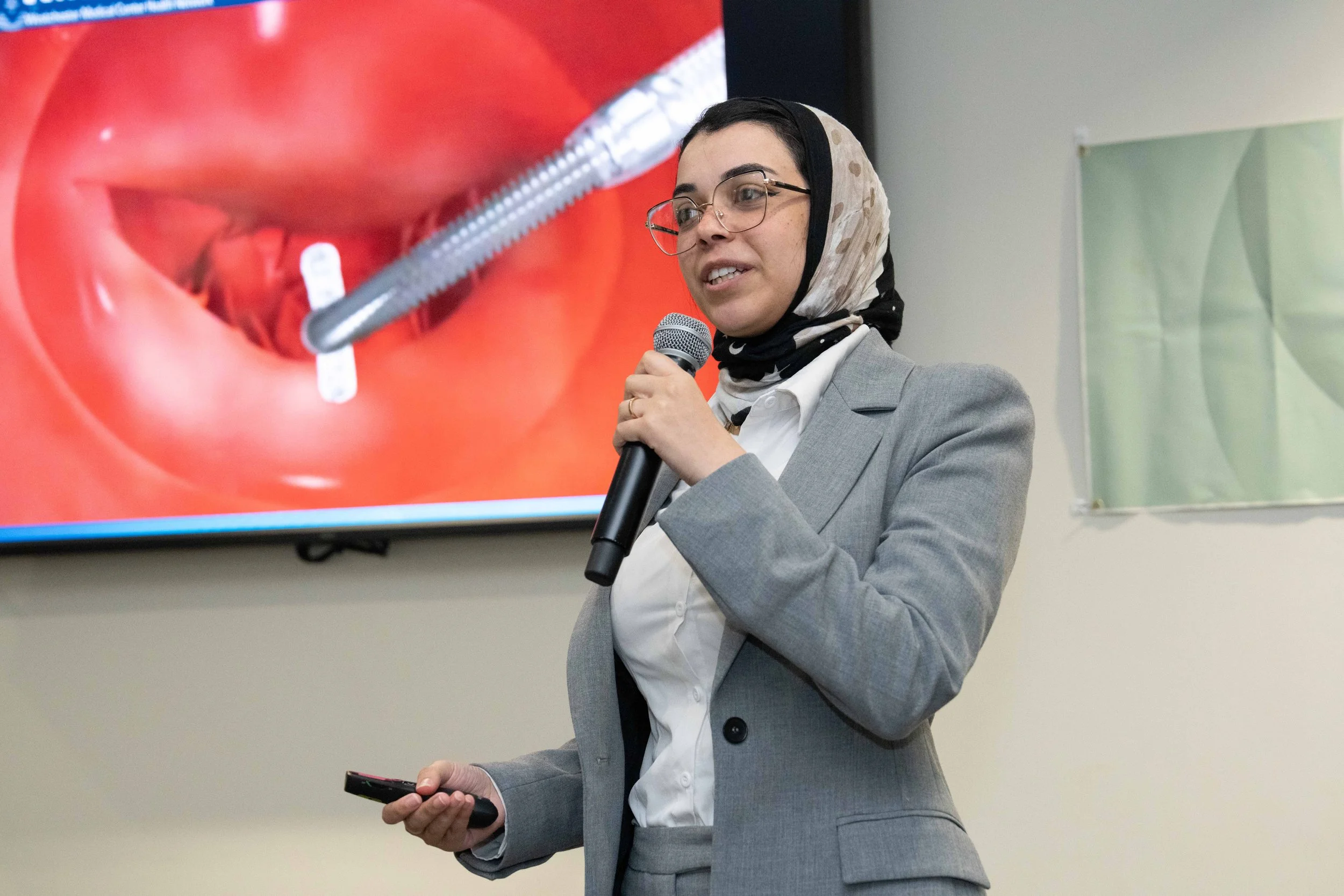
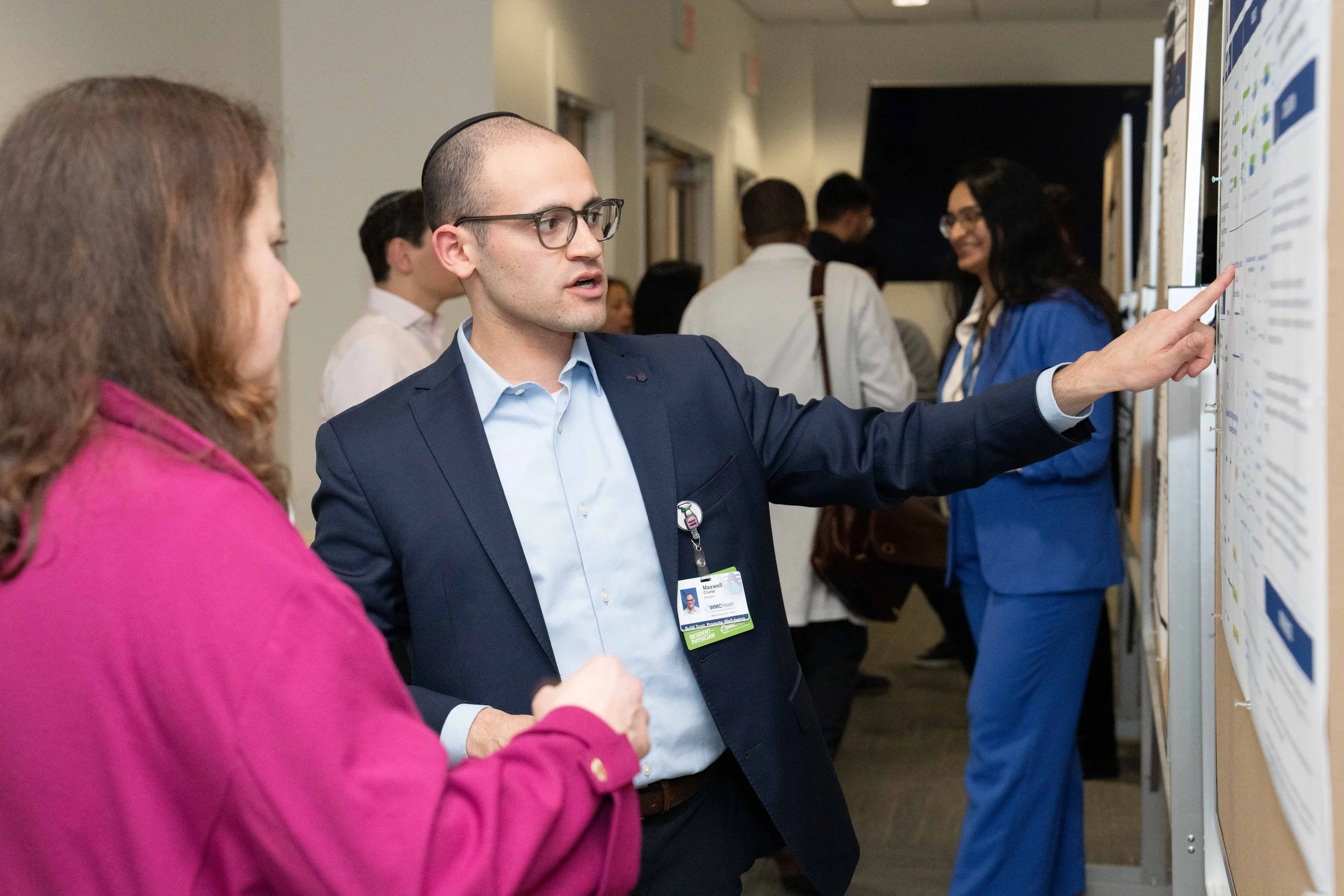
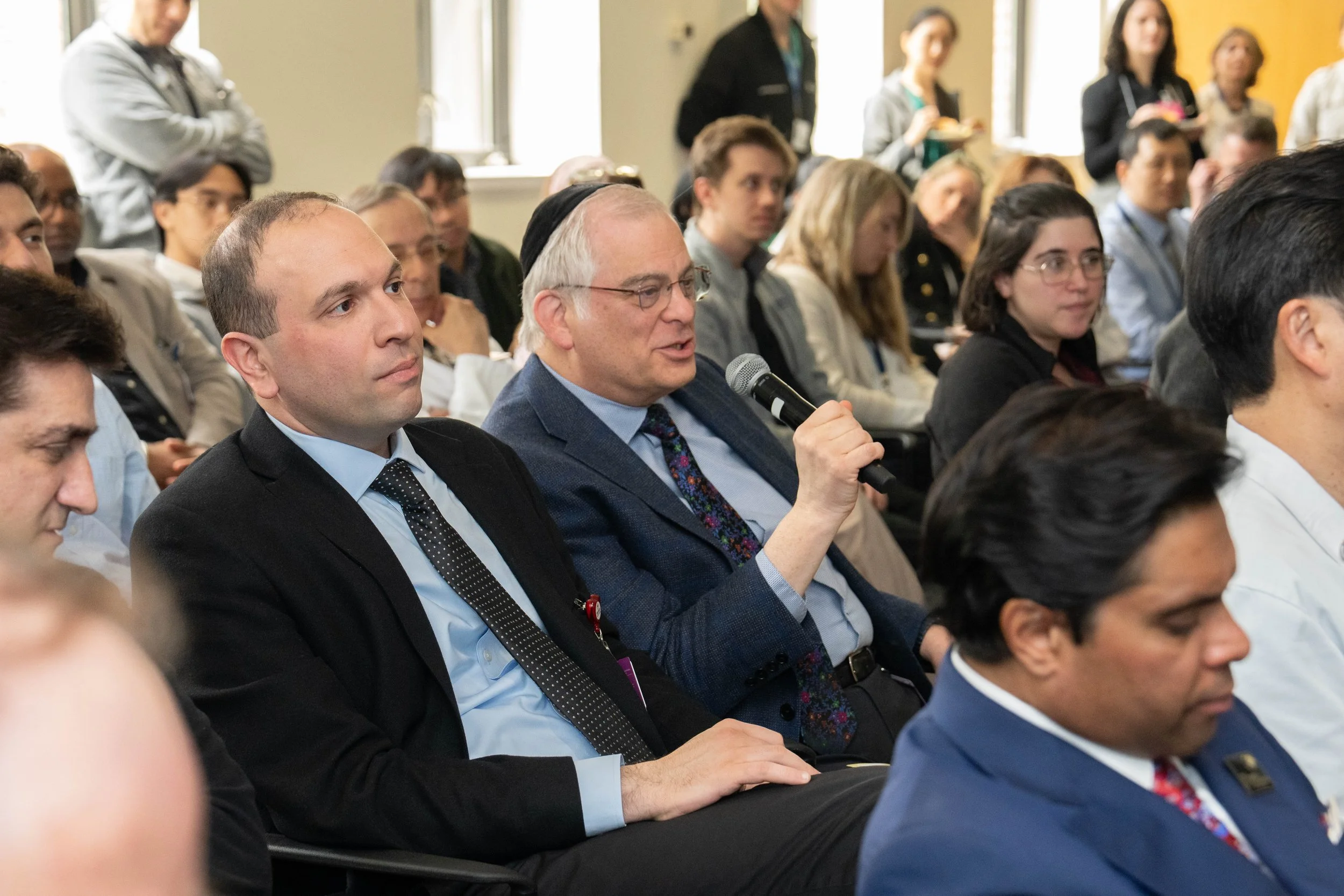
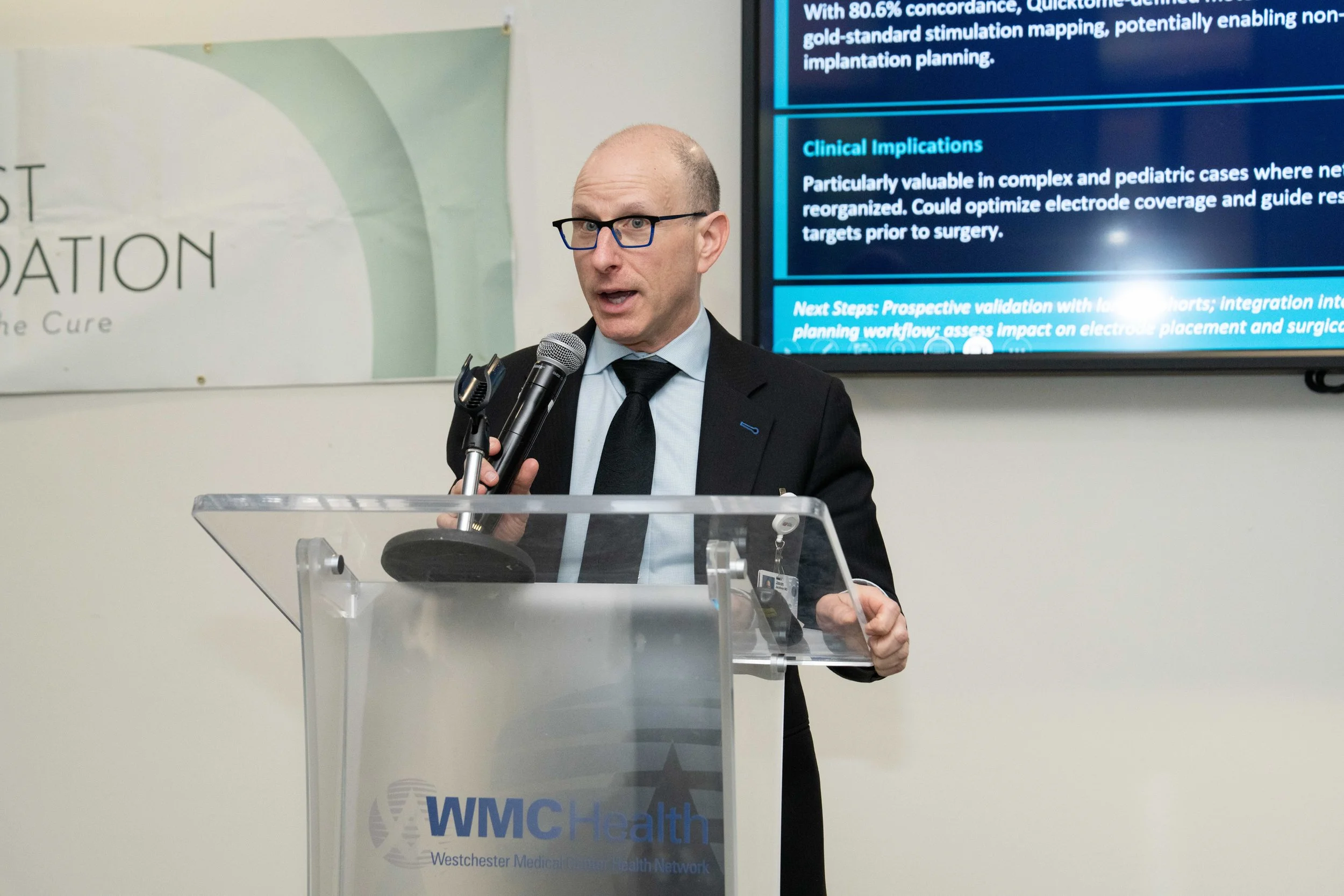
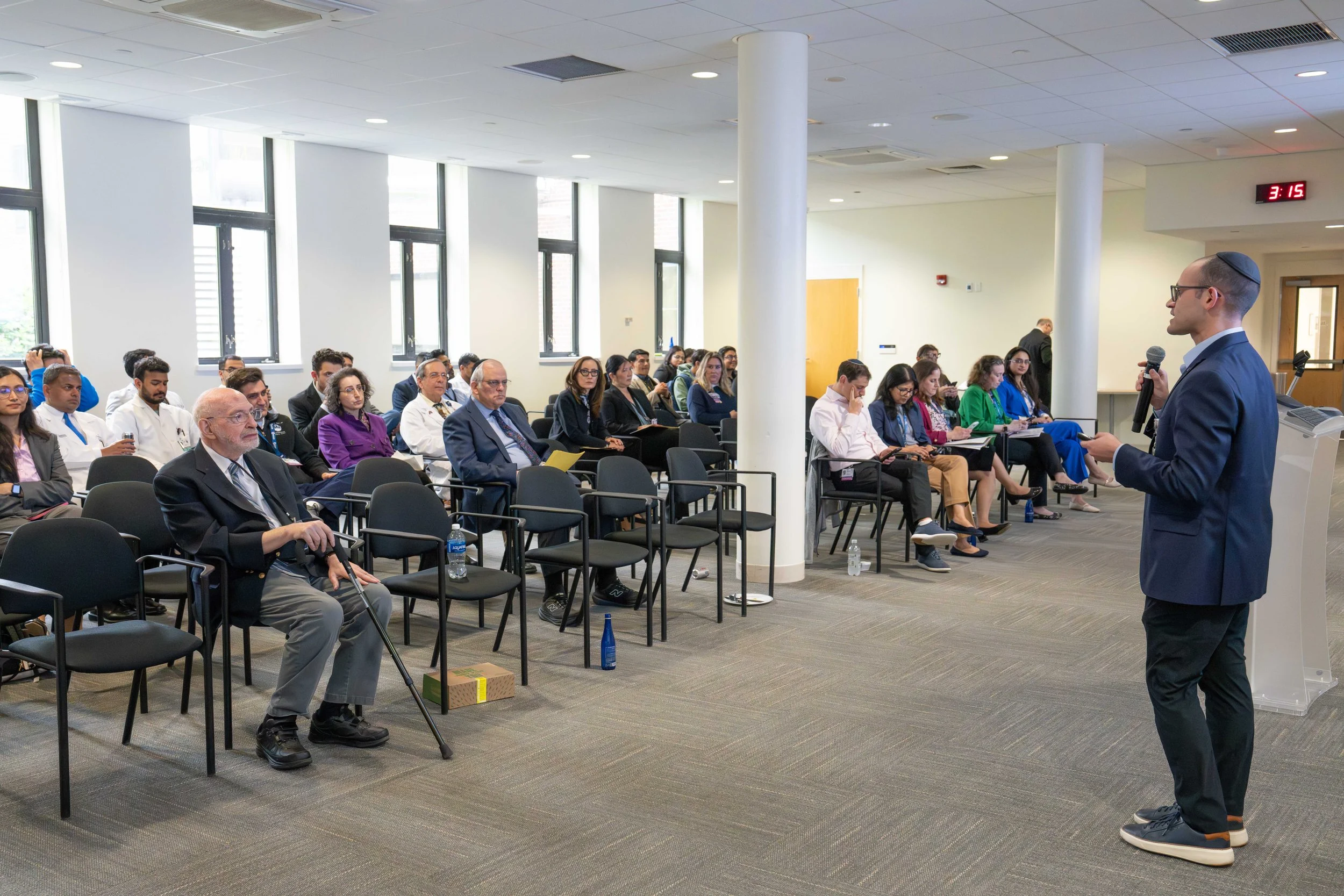
Research Day
Our annual Research Day brings residents, fellows, and faculty together to present scholarly work and celebrate research across the Department of Medicine.